
The first forty days, held by experienced hands.
Dr Bakshi Clinic arranges trained mother-and-newborn care at home in Bhopal — experienced japa-style caretakers for the traditional confinement period, upgraded with hygiene training, danger-sign awareness, and a clinic's medical backup for both mother and baby.
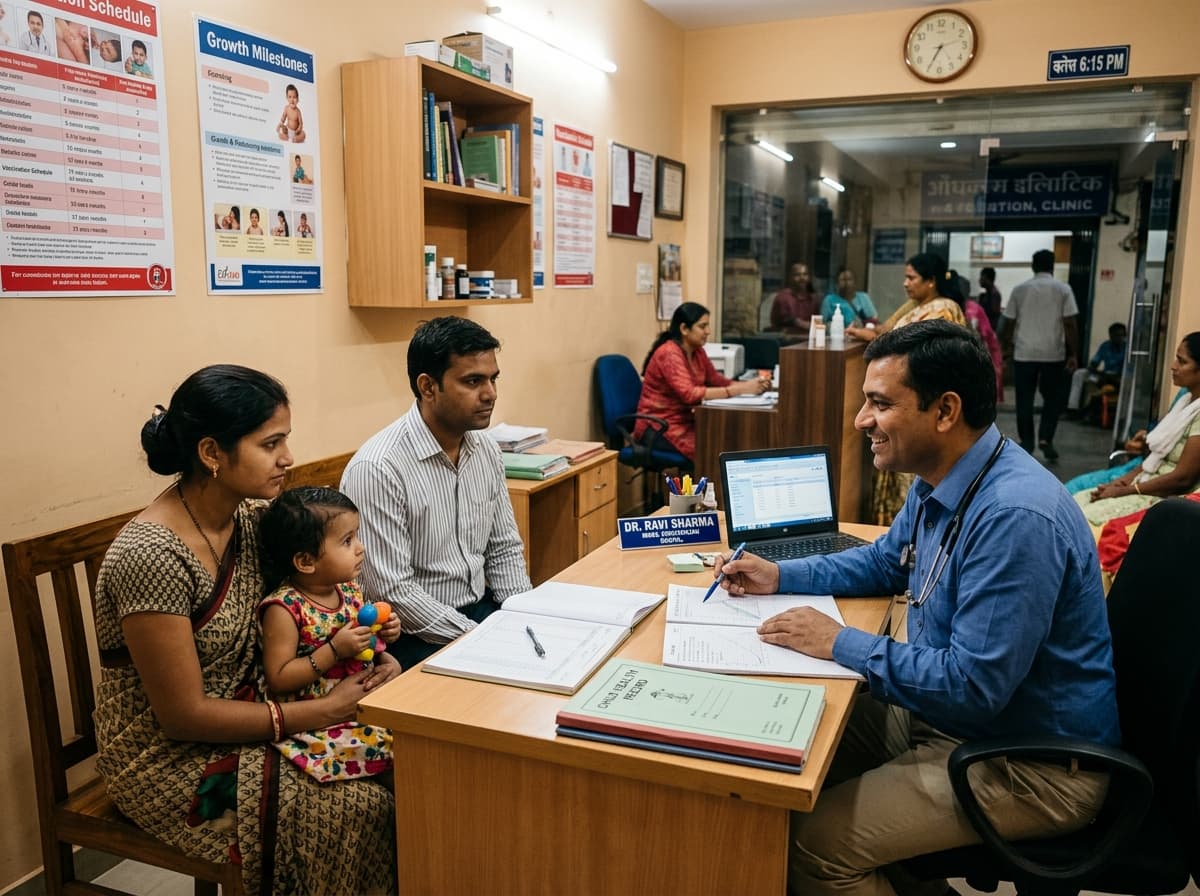
Tradition, kept — and made safer.
The Indian confinement tradition has real wisdom in it: rest for the mother, warmth, massage, special food, and an experienced woman managing the baby so the mother heals. What the traditional japa market lacks is any safety layer — caretakers of wildly varying skill, hygiene practices from another era, and confident-sounding advice that is sometimes decades out of date and occasionally dangerous.
Our arrangement keeps the tradition and adds the layer: caretakers screened and trained in hygiene, safe sleep and feeding support, taught which signs in a newborn or new mother mean call the clinic now — and an actual clinic behind that phrase, with a physician who answers.
Informal Japa Market
Unregulated home agency care
- Zero clinical screening, background checks, or structured aseptic hygiene training.
- Potentially unsafe legacy practices (unsafe sleep angles, early water/honey feeds, kajal in newborn eyes).
- No escalation pathway when fever, jaundice, or incision infection strikes.
- Leaves anxious nuclear families second-guessing conflicting home remedies.
Dr Bakshi Clinic Supervised Japa
Tradition + Clinical Safety Backup
- Screened & Hygiene-Trained: Aseptic cord hygiene, gentle correct anatomical baby massage, and modern safe sleep.
- Doctor & Nurse Backup: Professional dressing support from our home nursing team for C-sections.
- Danger-Sign Vigilance: Immediate escalation to MD physicians and your obstetrician for any fever or feeding difficulty.
- Warm, Respectful Support: Comforting traditions preserved, harmful myths gently replaced with clinical rationale.
What the care includes
A harmonious blend of warm postpartum traditions and structured clinical vigilance, designed to let both mother and newborn flourish safely.
Mother's Recovery
Rest protected, nourishing meals and traditional care managed. C-section and stitch healing closely watched, with our nurses performing sterile dressing care at home whenever indicated.
Newborn Care & Hygiene
Gentle bathing, correct anatomical massage, hygienic umbilical cord care, and modern safe-sleep protocols (back to sleep, clear crib) practised consistently rather than debated.
Feeding Support
Practical latching and breastfeeding assistance during the exhausting initial weeks. Honest, empathetic guidance without predatory formula-pushing or stressful feeding myths.
Night Duty & Rest
Dedicated night shifts ensure parents get uninterrupted, restorative sleep. Well-rested parents are happier, calmer, and much less vulnerable to postpartum exhaustion and anxiety.
Danger-Sign Vigilance
Constant clinical awareness for both baby (poor feeding, fever, deepening jaundice, tachypnea) and mother (fever, abnormal lochia/bleeding, wound redness, sinking mood) triggering prompt clinic action.
Clinic & Doctor Backup
Physician tele-advice, on-demand home nurse visits for mother's dressings, and timely reminders for vital neonatal vaccinations and routine pediatrician milestones.
What we are, and what we're not.
Plain boundaries make this service trustworthy. We operate as an essential support bridge, working in full alignment with your primary obstetrician and pediatrician.
What We Are Not
Not a replacement for your Pediatrician: The baby's routine developmental assessments and specialist checkups belong with your pediatrician. Our caretakers actively remind you of these milestones and immunization schedules.
Not Obstetric Primary Care: Your delivery obstetrician owns the critical 6-week postnatal checkup and manages any immediate surgical revisions.
Not an untrained domestic maid service: Our staff are dedicated postnatal maternal and newborn attendants trained under clinical guidelines.
What We Are
Trained, Supervised Postnatal Caretakers: Dedicated help for the crucial first 6 to 8 weeks after delivery.
The Bridge Nuclear Families Need: Invaluable physical, practical, and emotional backing for mothers whose own extended families live far away.
Clinical Safety Net: On-call physician telephone support and bedside nursing visits if fever or incision signs appear.
The postpartum mood, watched kindly.
Some tearfulness and emotional sensitivity ("baby blues") in the first few days is common and typically eases. But a mother sinking — unable to sleep even when her baby is peacefully resting, losing appetite, withdrawing into silence, or feeling overwhelmingly hopeless — is experiencing postpartum depression.
It is common, it is entirely treatable, and it is exactly the kind of subtle clinical change that an experienced, observant caretaker identifies early.
New mothers under our care receive empathetic, non-judgmental observation. Gentle screening by our women's health physicians and a quiet, supportive conversation with the family at the right moment have protected many Bhopal households through their hardest month.
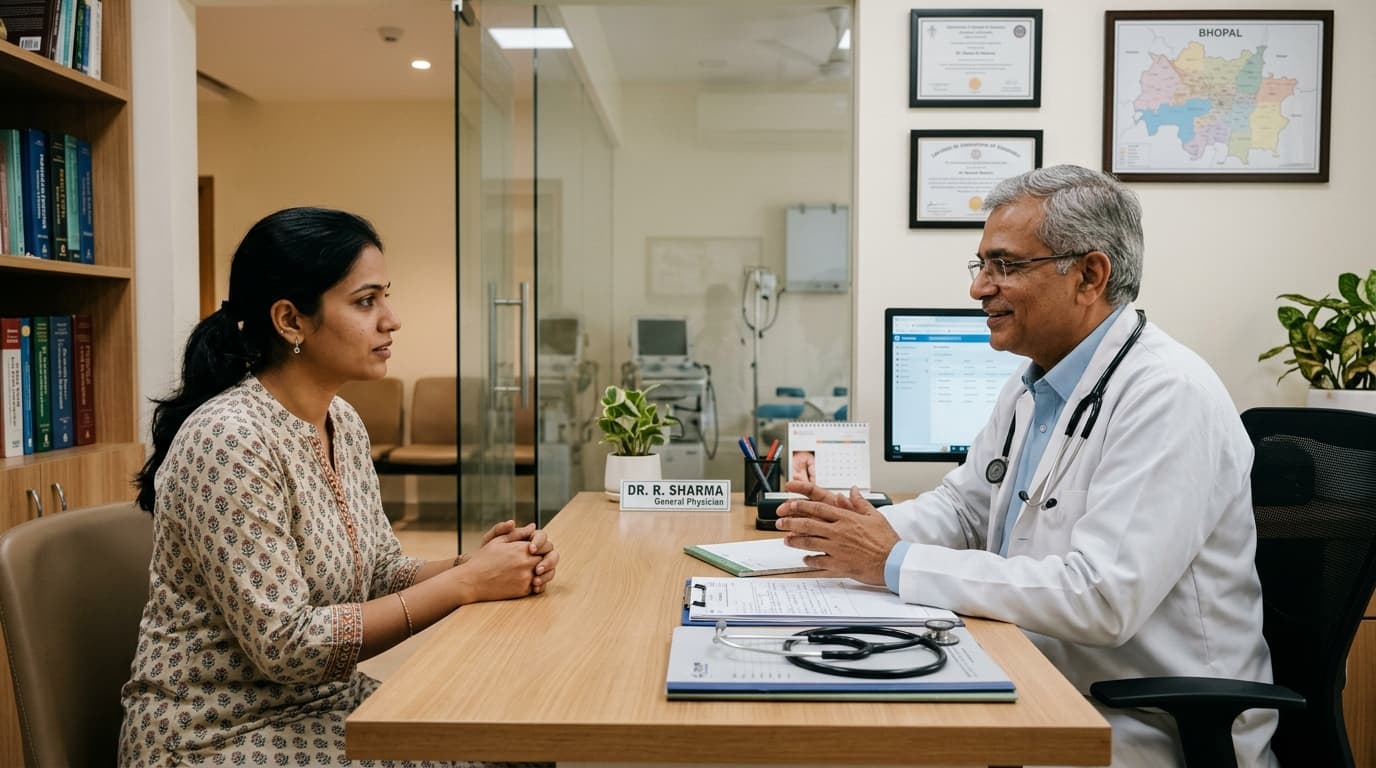
Frequently asked questions
Clear doctor-curated answers on caretaker training, booking timelines, C-section recovery, and medical supervision in Bhopal.
Screening, training and backup — our caretakers are verified, trained in modern hygiene and danger-sign awareness, supervised, and backed by a clinic whose physician answers when something looks wrong. The tradition stays; the risks shrink.
Talk to us today
Expecting? Message +91 97551 08769 with your due date — booking a month ahead gets you the most experienced hands for the first forty days.