
Life on a ventilator can still be life at home
Dr Bakshi Clinic manages ventilator-dependent and tracheostomy patients at home in Bhopal — ICU-experienced nursing shifts, suction and airway care, machine management, and scheduled physician reviews. For stable patients, home care of this kind is routine around the world; our job is making it routine here.
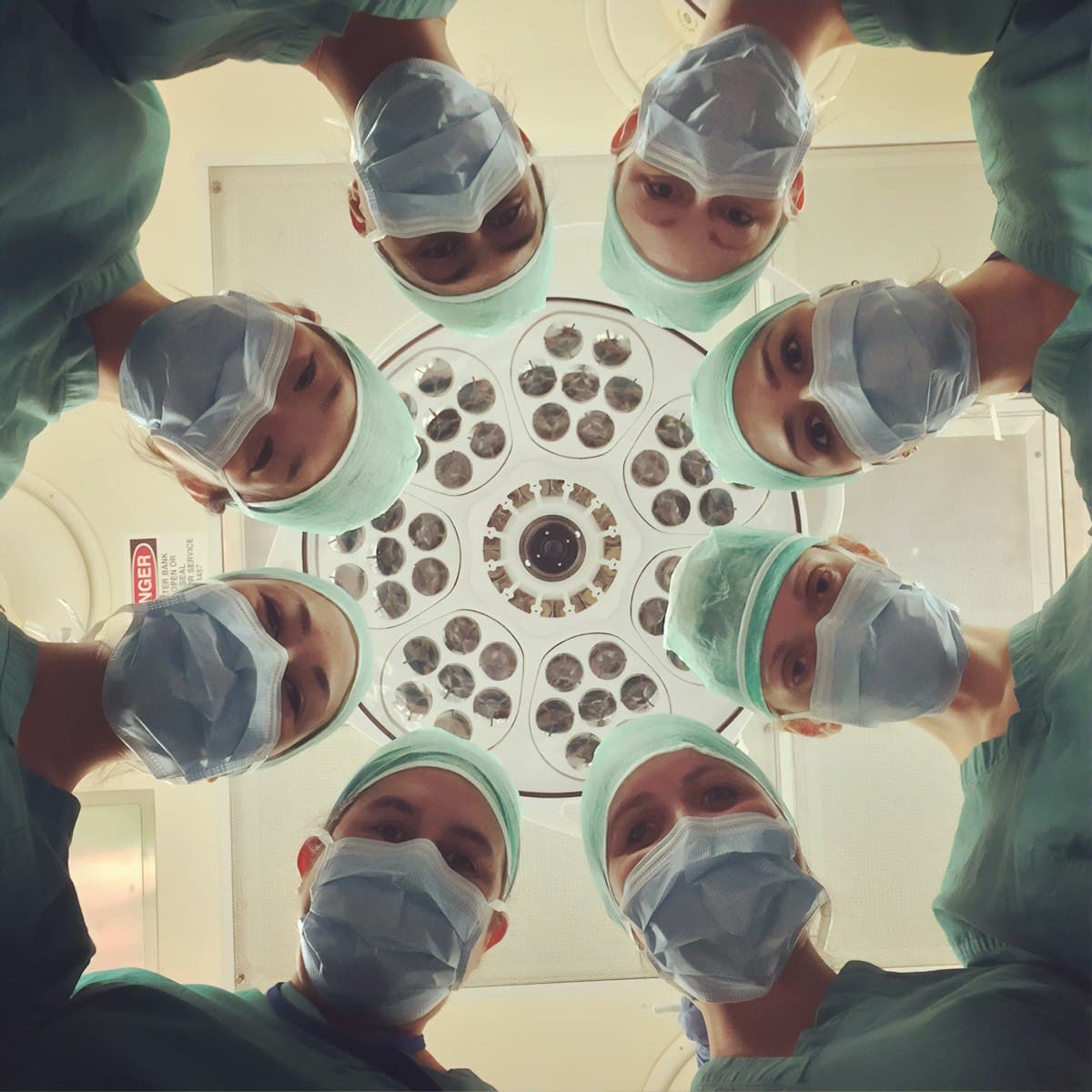
The families this page is written for
If you're reading this, someone you love has likely spent weeks in an ICU, and the doctors have started saying words like 'stable but ventilator-dependent' and 'long-term tracheostomy'. The hospital bed costs more each week than most families earn, the visiting hours are cruel, and yet the thought of bringing the machine home feels impossible.
It isn't impossible. It's a discipline — one that thousands of families run successfully once the right structure is placed around them. This page describes that structure honestly, including its limits.
Replacing cold visiting hours with continuous presence of loved ones, familiar bedroom sounds, and uninterrupted emotional reassurance.
Registered ICU nurses maintain strict sterile suction schedules, turning routines, and vital charts under Dr. Raja Bakshi's direct supervision.
What the care actually involves
The multi-layered medical care and disciplined daily routine we establish at your bedside:
ICU-Experienced Nursing
12-hour or 24-hour shifts by nurses who have managed ventilated patients in tertiary ICUs, not general attendants doing their best.
Sterile Airway & Tracheostomy Care
Tracheostomy suctioning on schedule and on need, stoma cleaning, inner cannula hygiene, tie changes, and active humidification.
Ventilator & Circuit Management
Dual-limb breathing circuit checks, water trap drainage, alarm response, and settings strictly guarded (changed only by doctors).
Positioning, Skin & Enteral Nutrition
2-hourly turning schedules, alternating air mattress calibration, bedsore prevention, and sterile Ryle's tube feeding administration.
Continuous Monitoring & Logging
SpO2 saturation, pulse rate, respiratory rate, and secretion changes recorded in a clinical log that Dr. Raja Bakshi reviews daily.
Scheduled Doctor Home Reviews
Bedside physician reviews in Bhopal, with escalation protocols and hospital-shift criteria agreed in writing beforehand.
Bedside Family Emergency Training
Because at 3 AM, the first thirty seconds belong to whoever is in the room: ambu bagging, quick disconnection, and emergency hotlines.

The honest conversation before we take a case
Not every ventilated patient should be at home, and we assess before we accept. Stability matters: recent settings history, infection status, secretion load, the home's power reliability, and the family's capacity all get weighed.
Sometimes our advice is 'not yet — wean further in hospital first', and sometimes it is 'yes, and sooner than you think'. Either way you get the reasoning, not a sales answer. Families deserve to make this decision with clear eyes; it's the biggest one they'll make this year.
Consistent FiO2 (≤40%) and PEEP (≤8) requirements over 48–72 hours.
Manageable tracheostomy secretion load without acute bronchospasm.
Verified dual-source battery backup and oxygen cylinder contingency at home.
Structured shift rotations preventing primary caregiver exhaustion.
What improves at home — and what to watch
Home brings real gains: hospital-acquired infections drop away from ICU flora, sleep and mood improve in familiar surroundings, the family is present instead of visiting, and costs fall to a fraction of ICU rates.
What must be watched is exactly what we structure: infection signs, secretion changes, machine discipline and caregiver fatigue — the quiet fourth item that sinks arrangements when nobody plans relief shifts. We plan them.
- Zero Hospital Superbugs: Escaping multi-drug resistant ICU bacteria.
- Unrestricted Family Presence: Emotional comfort surrounded by loved ones.
- 60–70% Financial Savings: A fraction of private ICU bed charges.
- Infection Signs: Daily temperature & tracheal stoma monitoring.
- Secretion Changes: Color/viscosity tracking for early antibiotic review.
- Caregiver Relief Shifts: Structured nursing rota preventing family burnout.
Frequently asked questions
Straightforward answers on long-term home ventilation safety, tracheostomy suction routines, power failure contingencies, and hospital doctor coordination.
Yes — stable, hospital-assessed ventilator and tracheostomy patients are managed at home routinely with ICU-experienced nursing, proper equipment and physician oversight. Unstable patients belong in hospital, and our assessment says so plainly when that's the case.
Talk to us today
Call or WhatsApp +91 97551 08769with the patient's condition in one line and your locality in Bhopal. You'll get a plan, an itemised price and a start time — usually the same day.